

by Ella Denney
As humans have evolved, so has their diet. They have created more efficient ways to produce, package and preserve food. However, these benefits also come with many downsides. Processed foods are now ultra-processed with various additives, sweeteners and chemicals to make food taste better and last longer. However, recent studies have uncovered the harmful side effects of these additives. With these revelations, there has been a societal shift toward plant-based foods. Companies market these foods as healthier, claiming benefits for both consumers and the environment. Although marketed this way, not all plant-based products are as healthy as corporations paint them out to be. While it isn’t always easy, it is essential for the public to look beyond colorful labels and distinguish what is truly healthy from what is merely hype.
Although consumers should avoid ultra-processed foods, not all of these products are inherently harmful. Any food that is changed from its original form is processed. For example, corn going from the ear to being canned is a form of processing. However, it turns ultra-processed when the food is mixed with additives, artificial colors and sweeteners. Additionally, more salt, sugar and fats are added to enhance the flavor of these processed foods. While improving the flavor, it strips the food of its raw nutritional benefits. Products such as soda, packaged crackers, sugary cereal, frozen dinners and even various protein bars contain harmful additives. Overconsumption of these foods is linked with different heart diseases, obesity and cardiovascular illnesses.
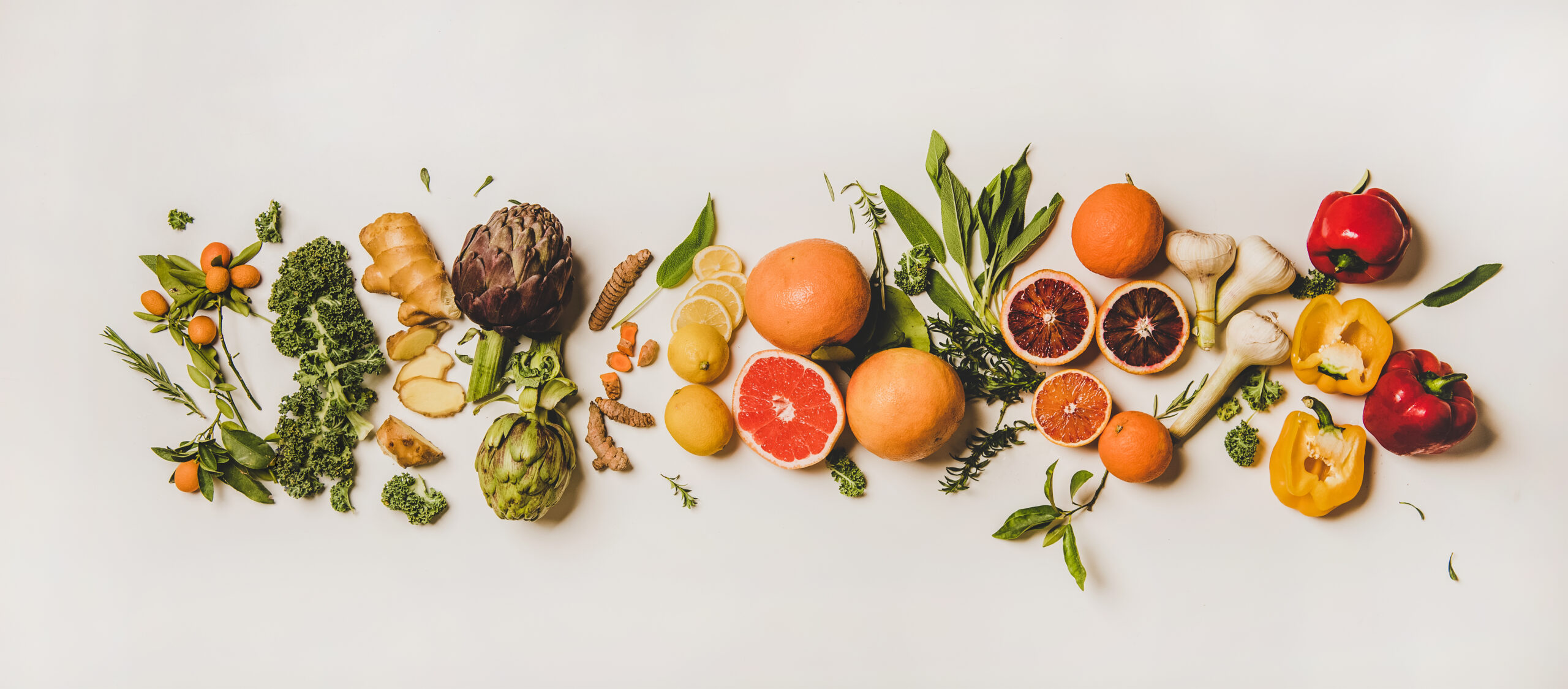
In an attempt to avoid these diseases, many individuals have turned to a plant-based eating approach as a lifestyle, not just a dietary trend. Not only does this include fruit and vegetable bases, but it also incorporates whole grains, lentils, oils and nuts. Plant-based diets can vary widely, ranging from a strict vegan palate to a more flexible “flexitarian” approach that allows occasional meat or dairy, and everything in between. This way of eating can provide essential proteins, fibers, minerals and vitamins that support a healthy diet. When properly balanced, a plant-based diet may lower the risk of chronic diseases and provide a rich source of antioxidants. However, following such a diet requires effort. Individuals must take time to prepare meals and learn to distinguish truly healthy options from products simply marketed as plant-based. Items like plant-based burgers, chicken nuggets, and mac and cheese may be labeled “healthier,” but often contain unnecessary additives.
These meals fall under the ultra-processed foods category. Just because they are plant-based does not automatically make them suitable for consumers. For example, vegan burgers and imitation meat that are plant-based are often highly processed and packed with high levels of sodium, saturated fats and stabilizers that defeat the whole purpose of having a plant-based diet in the first place. These products mimic the flavor of meat, but at the expense of nutritional quality. On the other hand, a simple meal like lentil stew is plant-based, minimally processed, and rich in fiber and minerals. The contrast between these two is a testament that not all plant-based foods carry the same nutritional value. Buyers must look beyond misleading labels such as “dairy-free” or “eco-friendly” when the food itself lacks basic nutritional value.
With so many confusing labels, how can consumers tell the difference between foods that are truly healthy and those that are just hype? The answer is simple: learn to read the nutrition labels on the back of packaged foods. Check the ingredient list — products with shorter, recognizable ingredients are usually the better choice. Avoid items with added sugars, high sodium or refined oils, and steer clear of foods containing artificial colors and preservatives. A helpful rule of thumb: if you can’t pronounce an ingredient, it’s best to leave it on the shelf. Instead, prioritize whole foods by adding beans, vegetables and fruits to your cart.
It’s important to make mindful choices when grocery shopping. Always check food labels for harmful ingredients and additives, and lean toward nutritious, hearty foods that provide real health benefits. Choose minimally processed items with short ingredient lists that feature whole foods. Ultra-processed foods should be occasional purchases, eaten only in moderation.
Ultimately, the healthiest diet considers the degree of processing in both plant-based and packaged foods. By learning which ingredients to avoid and how to interpret nutrition labels, consumers can feel empowered to make more thoughtful, balanced food choices.