

The traditional family first aid kit, once defined by gauze, bandages and a bottle of antiseptic, is undergoing a transformation. In the modern home, technology has emerged as an indispensable partner in managing medical emergencies.
Beyond the physical supplies, a new generation of tech tools is providing families with immediate access to critical information, expert guidance and even remote medical care.
The technological shift is not about replacing traditional first aid but rather augmenting it with the speed, intelligence and connectivity of the digital age, creating a more comprehensive and proactive approach to home emergency preparedness.
Smart Devices and Wearable Technology
Smart devices have transitioned from simple gadgets to vital components of personal health and safety.
Smartwatches and Fitness Trackers
The most common examples of wearable technology are smartwatches and fitness trackers, many of which are now equipped with advanced sensors that can automatically detect a hard fall and alert emergency contacts or services. For an elderly parent or a child with a chronic condition, this passive monitoring can be a lifesaving feature.
Heart Rate and Rhythm Monitoring
Beyond fall detection, these devices can track heart rate and rhythm, providing early warnings for potential cardiac issues. When a user experiences a symptom, the ability to pull up an immediate heart rate graph can provide important information for a telemedicine consultation or an emergency medical technician.
Smart Device Technology
Smart speakers and home assistants are no longer just for playing music. With a simple voice command, they can be configured to call emergency services, making it possible to summon help even when a person is immobile or cannot reach their phone.
The Role of Mobile Applications
The smartphone itself has become the central hub for the new first aid. A wide array of mobile applications provides instant access to expert medical knowledge and services.
App Guidance During an Emergency
Apps developed by organizations like the American Red Cross offer step-by-step instructions for a vast number of emergencies, from treating a severe burn to performing CPR. The visual guides, instructional videos and clear, concise language make it possible for a person with little to no medical training to act confidently in a crisis.
Telemedicine through Apps
For non-life-threatening but urgent situations, telemedicine applications provide a direct line to a healthcare professional. These platforms allow for video consultations with licensed doctors, who can assess symptoms, offer advice and even write prescriptions. This is particularly valuable for situations like a child’s sudden rash or a minor sprain, where a trip to the emergency room might be unnecessary, but professional guidance is still needed.
Managing Personal Medical Records
Furthermore, apps that manage personal medical records ensure that a family member’s medication list, allergies and health history are always available at the touch of a button, which is invaluable information for first responders.
Advanced In-Home Medical Technology
Beyond personal gadgets, a new class of more specialized home health tech is becoming more accessible.
Tracking, Logging and Sharing Data
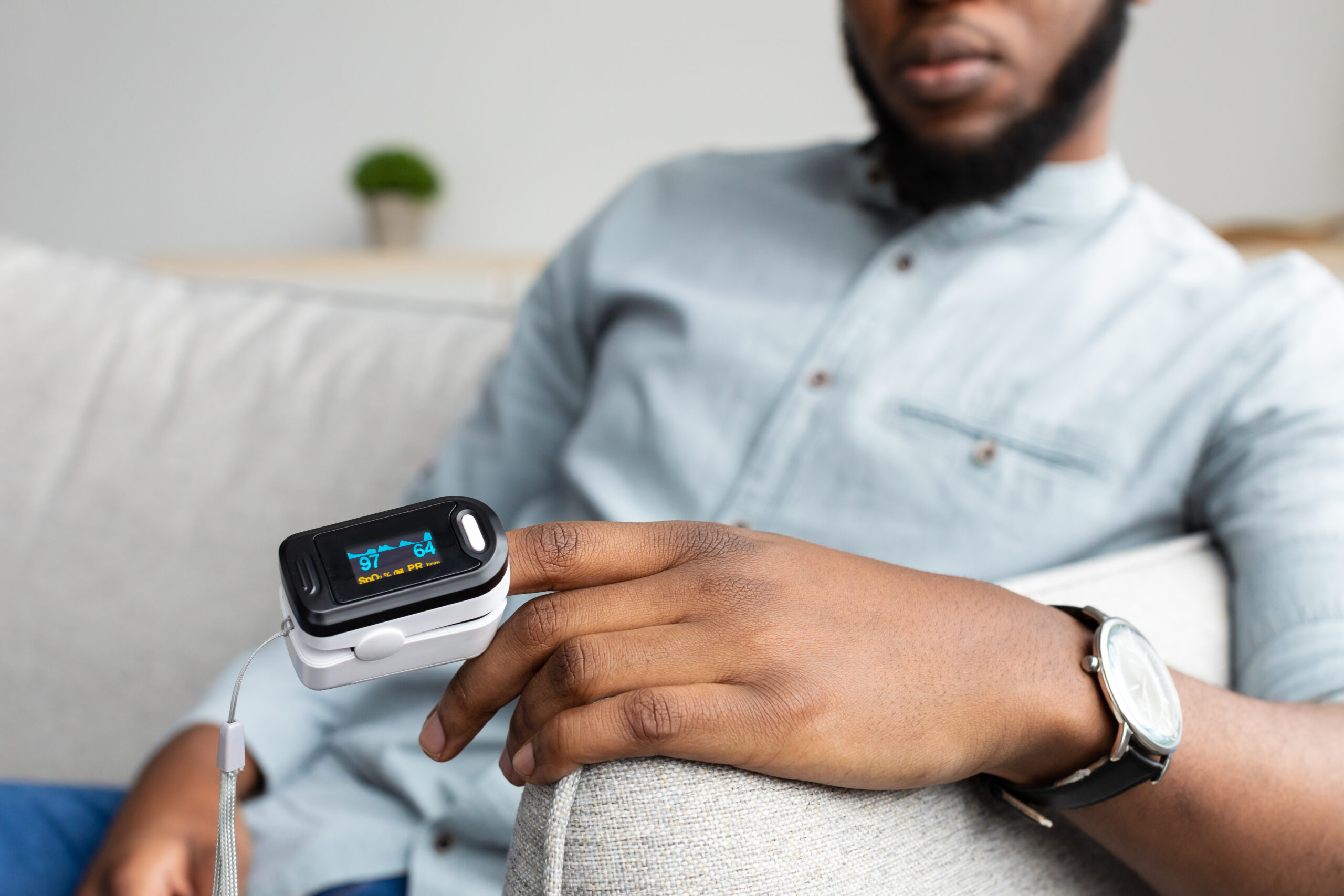
Smart thermometers can track and log a child’s temperature over time, providing a more detailed record for a doctor to review. Portable blood pressure monitors and ECG devices allow individuals to take their own readings and share the data seamlessly with their physicians, helping to manage chronic conditions more effectively.
Automated External Defibrillators
While a significant investment, automated external defibrillators (AEDs) are also seeing increased adoption in homes. These devices provide clear, voice-guided instructions on how to deliver a life-saving electrical shock to someone experiencing sudden cardiac arrest.
Combining Technology with Traditional Preparedness
It is important to recognize that technology is a powerful supplement, not a replacement, for fundamental first aid knowledge and a well-stocked physical kit. The most effective family first aid plan integrates both. Families should still have a comprehensive kit with bandages, antiseptic wipes and gauze, but they should also be trained in how to use their smart devices and medical apps.
The ability to act calmly in a crisis is paramount, and familiarity with both the physical tools and the digital resources is key to a swift and effective response. Moreover, these tech tools rely on a reliable power source and a stable internet connection, highlighting the importance of having backup plans in place, such as offline-accessible content and charged power banks. By viewing technology as an enhancement to traditional preparedness, families can build a more resilient safety net for any emergency that may arise at home.